Corporate
A Unique Initiative by JCI Dhaka West to Promote Inclusion of Specially-Abled and Disabled Youth

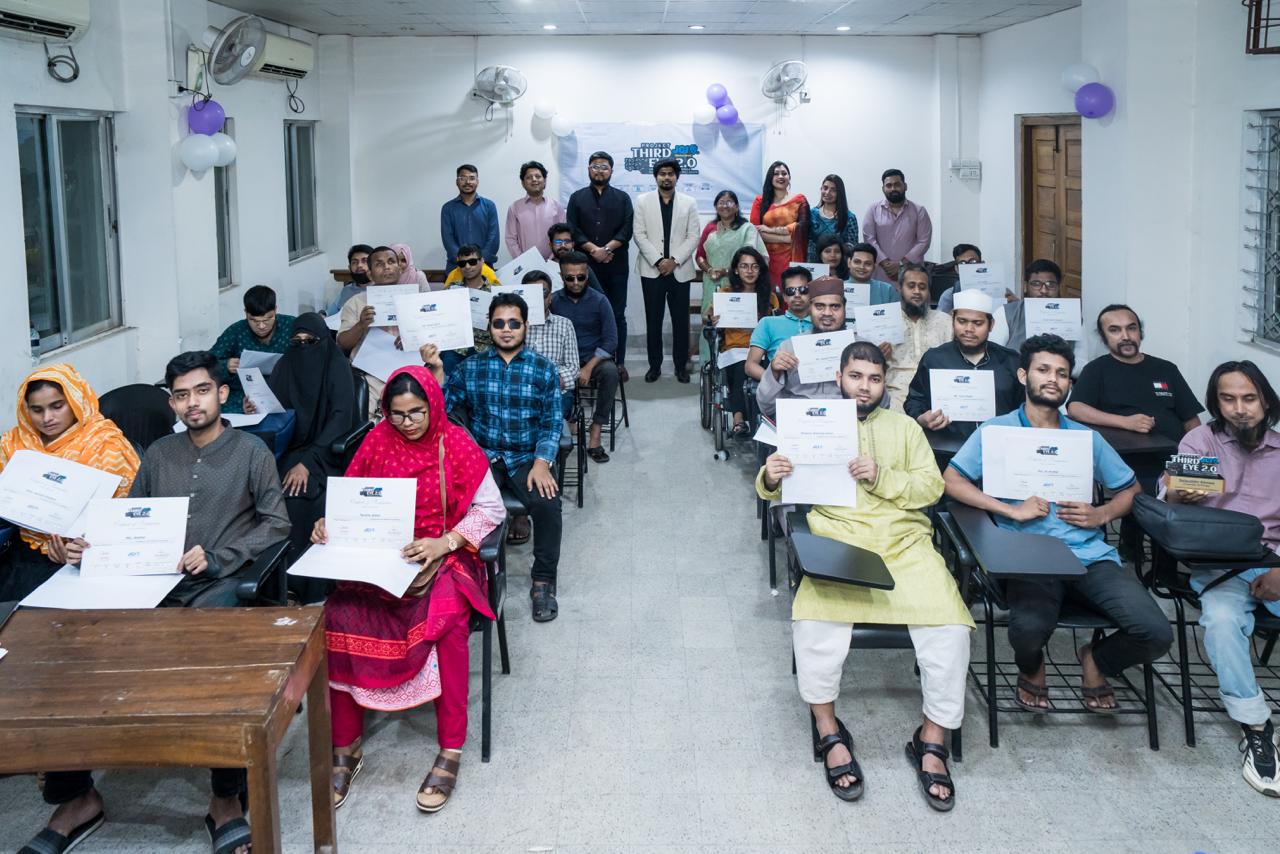
A four-day special workshop titled Project Third Eye 2.0 was jointly organized by Junior Chamber International (JCI) Dhaka West and the Dhaka University Support for Students with Disabilities, with the objective of ensuring inclusion of specially-abled individuals in various sectors of society.
Project Third Eye 2.0, emphasized on developing the professional skills of specially-abled and disabled youth, empowering them to become capable and strong leaders in society. The core objective of this initiative is to increase employment opportunities and ensure accessibility for specially-abled and person with disability to promote inclusive recruitment processes—ultimately helping remove widespread stereotypes and misconceptions in society.
The project Third Eye launched in 2024. The closing ceremony of this project was held on 18 October 2025 (Saturday) at the Faculty of Arts Building, University of Dhaka. A total of 25 visually-impaired, physically, and disabled students from the University of Dhaka and the National University participated in the program.
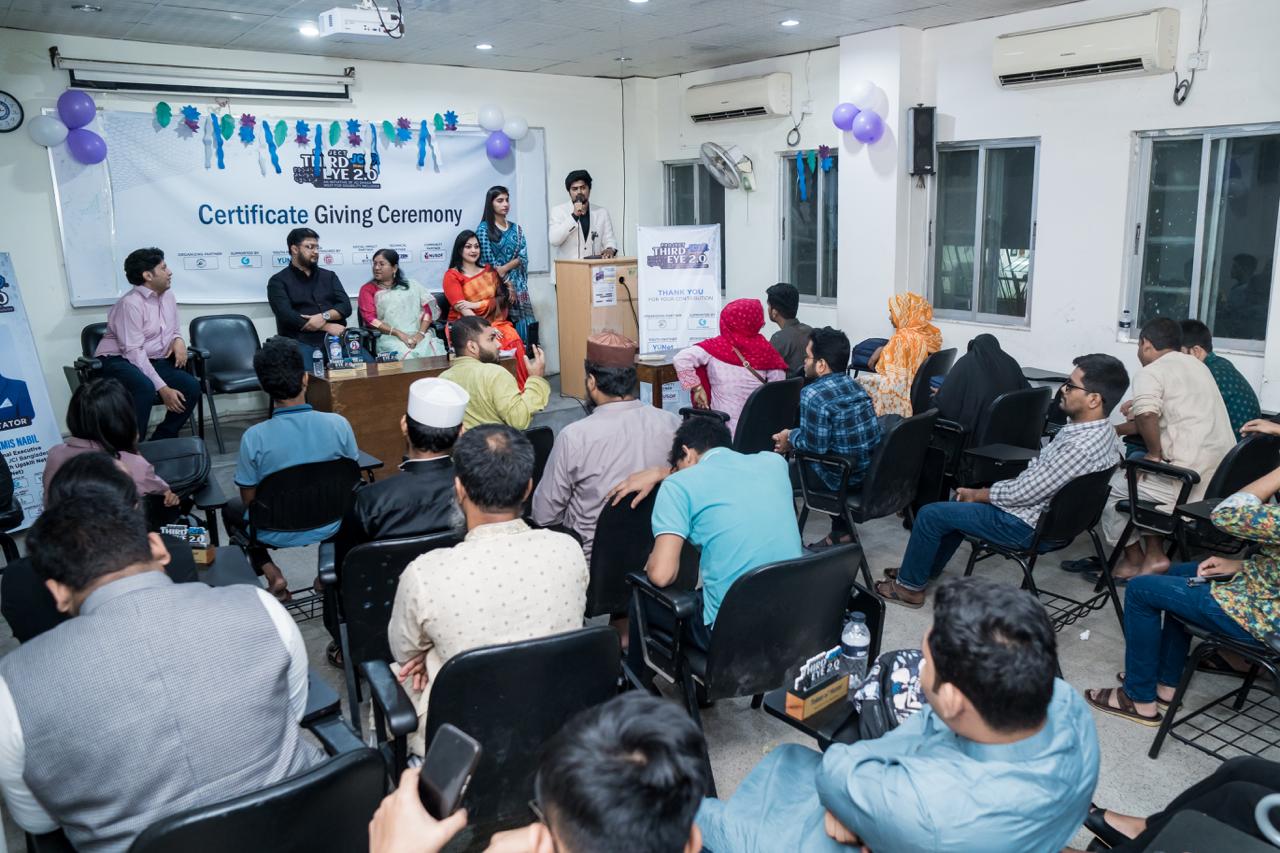
Certificates were awarded to all trainees, and special honors were presented to everyone involved in organizing the event by Md Altamis Nabil, JCI Bangladesh 2025 National Executive Vice President. He stated that JCI Bangladesh believes Project Third Eye 2.0 is not just a local initiative—it is a sincere commitment to achieving the UN Sustainable Development Goals (SDGs) and a proactive step toward building a more inclusive world. He highly appreciated and praised this remarkable initiative of JCI Dhaka West.
Under the guidance and patronization of Sujaur Rahman Emon, 2025 Local President of JCI Dhaka West, all activities of the project were successfully executed. He stated that at JCI Dhaka West, we believe that the greatest wealth of the world lies within humanity itself. Project Third Eye 2.0 is not merely a training program; it is an effort to unlock the indomitable confidence and hidden potential of specially-abled youth. The skills they have acquired will undoubtedly illuminate their professional journey and mark a strong step toward building an equitable and inclusive society.
Project Director Ahmed Wazedul Haque Khan said, “Project Third Eye 2.0 is not just a workshop or a project; it is a vital movement in transforming the corporate culture of Bangladesh. We believe that physical or any other limitations can never limit one’s dreams. These young individuals are now prepared to lead corporate sectors based on their talent and merit.”
Under the supervision of Audrika Eshna Purbasha, Local Vice President of JCI Dhaka West, Project Director Ahmed Wazedul Haque Khan, and Project Lead Jobayer Ahmed accomplished and carried out the project with tremendous success.
The project and training workshop were successfully completed with the support and sponsorship of Youth Upskill Network, GearLaunch, Global Travels, NextGen, National University Skill Development Forum (NUSDF), Savory and Ignite Global Foundation.
It is worth mentioning that Junior Chamber International (JCI) is an organization for enthusiastic young people aged 18 to 40. Its headquarters is located in St. Louis, Missouri, United States. JCI operates in more than 120 countries with over 200,000 active members.

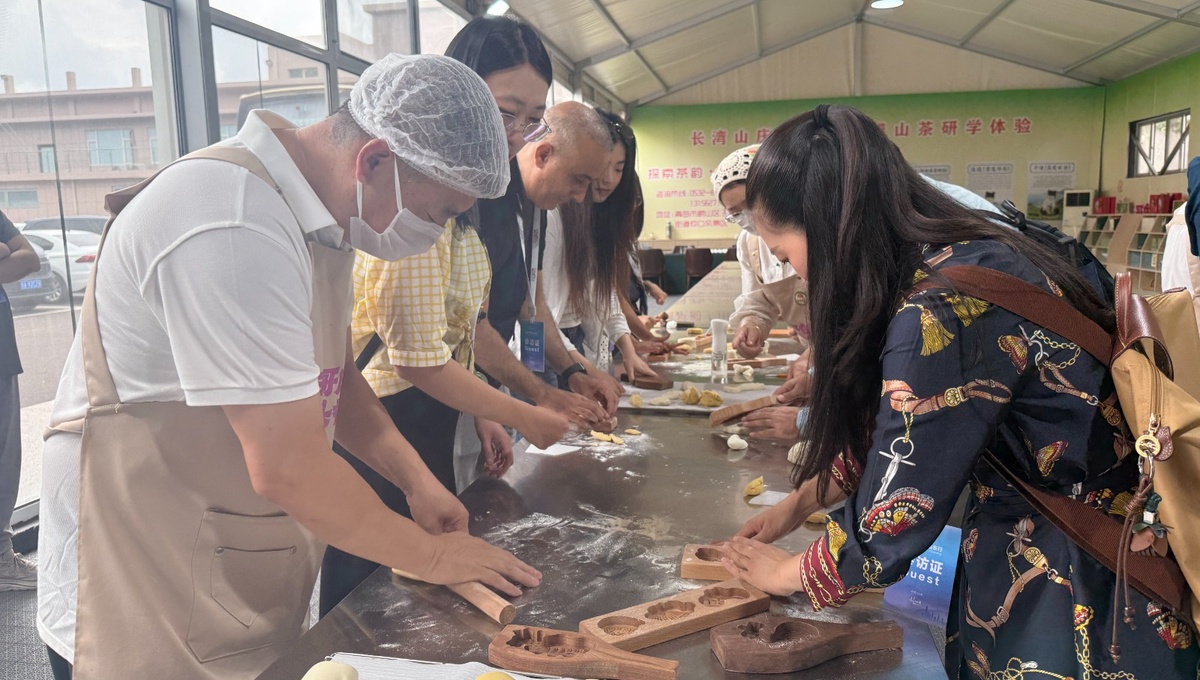
China Correspondent: A five-day foreign media visit to China’s Shandong Province from August 10 to 14 gave international journalists and foreign friends the chance to gain firsthand insights into the province’s technological innovation, cultural heritage, ecological conservation, and high-quality development.
The visit, themed “Opportunities in China, Innovation in Qingdao,” was organized by CRI Online of China Media Group, the Information Office of the Qingdao Municipal People’s Government, and the Information Office of the Dongying Municipal People’s Government.
The delegation visited Qingdao and Dongying, where participants exchanged ideas with local communities, enterprises, cultural institutions, and development projects. Through field visits and discussions, they explored how Shandong balances technological progress, cultural preservation, environmental protection, and improvements in people’s livelihoods.
The program covered a broad range of topics, including artificial intelligence, intelligent manufacturing, biotechnology, healthcare, marine industries, rural revitalization, cultural heritage, urban renewal, and ecological conservation.
In Qingdao, the delegation gained an understanding of the city’s growing innovation capacity and saw how advanced technologies are being applied in manufacturing and other areas of daily life. Participants also explored how traditional culture integrates with modern tourism and experienced the city’s distinctive coastal culture.
The visit also highlighted efforts to promote rural revitalization and develop cultural tourism and wellness-related industries. Through interactions and cultural experiences, participants observed how traditional food and tea culture, historic neighborhoods, and local heritage are being preserved while being integrated into contemporary economic and social development.
In Dongying, the delegation explored the relationship between the Yellow River, local culture, industrial development, and ecological conservation. Located at the mouth of the Yellow River, Dongying offered an important perspective on protecting and sustainably using the river’s ecological and cultural resources.
The Yellow River was a central theme of the Dongying visit. Participants learned about the river’s historical and cultural significance and observed efforts to protect the Yellow River Delta ecosystem. They also gained insights into the city’s industrial development and its efforts to pursue technological innovation and greener growth.
The delegation further observed how ecological challenges can be transformed into opportunities for sustainable development, including through the innovative utilization of saline-alkaline land and the protection of wetlands in the Yellow River Delta.
The delegation included representatives from overseas media organizations in Bangladesh, Canada, South Korea, and Pakistan, as well as international friends from Sri Lanka, Thailand, and other countries.
Corporate
International Seminar at Peking University Explores the Contemporary Relevance of Edgar Snow’s Legacy
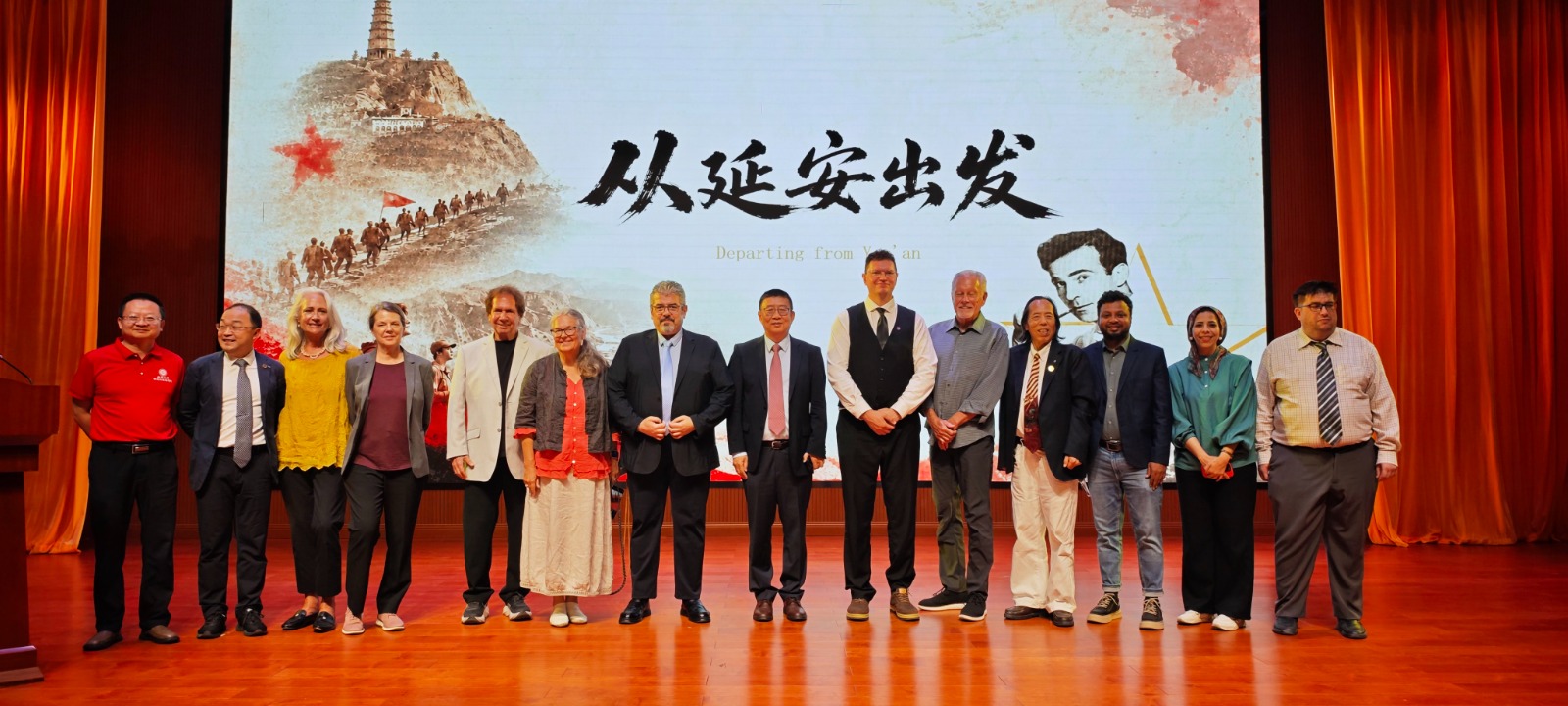
An international seminar titled “The Contemporary Value of Edgar Snow’s Spirit” was held at Peking University on Tuesday (July 8), bringing together scholars, journalists, researchers and young representatives from around the world to examine the enduring legacy of renowned American journalist Edgar Snow and his role in fostering greater understanding between China and the international community.
Jointly hosted by Xinhua News Agency and Peking University, and organized by the Xinhua Institute, the seminar marked the conclusion of a six-day research and study tour conducted from July 2 to 7, retracing Snow’s historic journey through Shaanxi Province and the Ningxia Hui Autonomous Region.
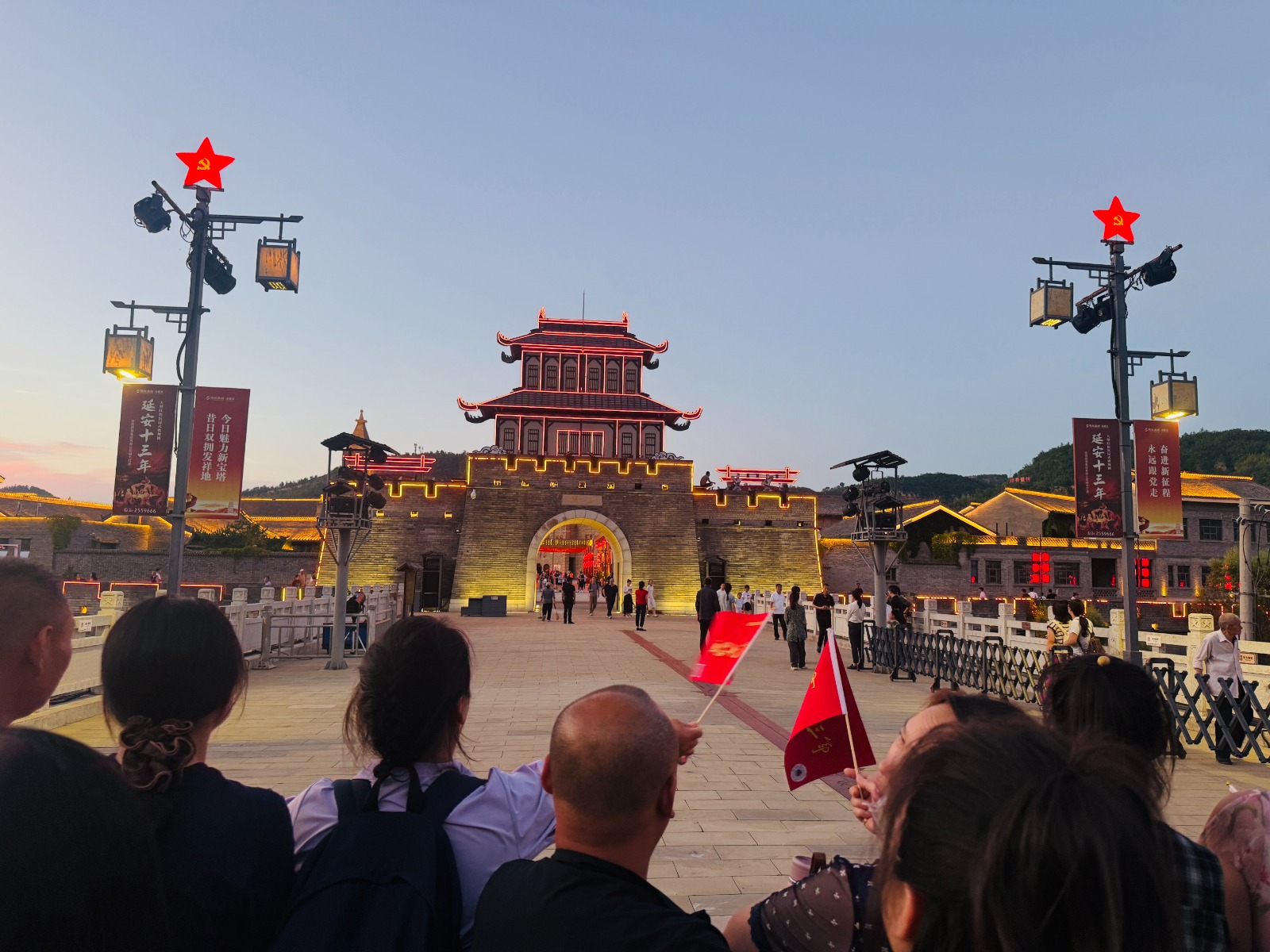
During the field program, participants followed the route taken by Edgar Snow during his landmark reporting in northern Shaanxi, gaining firsthand insight into the locations that inspired his influential book, Red Star Over China. Organizers said the journey offered international delegates a deeper understanding of China’s revolutionary history, development path and the values that continue to shape the country’s modernization.
The delegation visited several key revolutionary sites, including Yan’an and Zhidan County, where they toured museums, memorial halls and former headquarters associated with the Chinese Red Army. They also explored the former site of the Counter-Japanese Military and Political University, the Bao’an Revolution Site Memorial Museum, and memorials commemorating the Red Army’s arrival in northern Shaanxi. Guided tours and historical exhibitions highlighted the hardships, determination and ideals of China’s revolutionary period.
As part of the program, participants attended the themed sharing session “Retracing Snow’s Route,” where scholars and guests discussed the lasting influence of Edgar Snow’s reporting on global perceptions of China. Delegates also watched the immersive theatrical production “Thirteen Years in Yan’an,” which vividly portrayed the revolutionary era through contemporary storytelling.
The itinerary extended beyond revolutionary history to showcase China’s progress in ecological conservation and sustainable development. In Zhongwei and other locations in Ningxia, participants learned about environmental protection initiatives along the Yellow River, the achievements of the Three-North Shelter Forest Program, and China’s efforts to balance ecological preservation with economic growth. Organizers noted that these visits demonstrated how former revolutionary regions have evolved into examples of green development and rural revitalization.
The delegation also traveled to Tongxin County, visiting the Red Army Westward Expedition Memorial Hall and other significant historical sites. Participants joined the Red Tongxin Forum, where they exchanged views with scholars and local representatives on the historical significance of the Long March, Edgar Snow’s reporting and the importance of preserving revolutionary heritage for future generations.
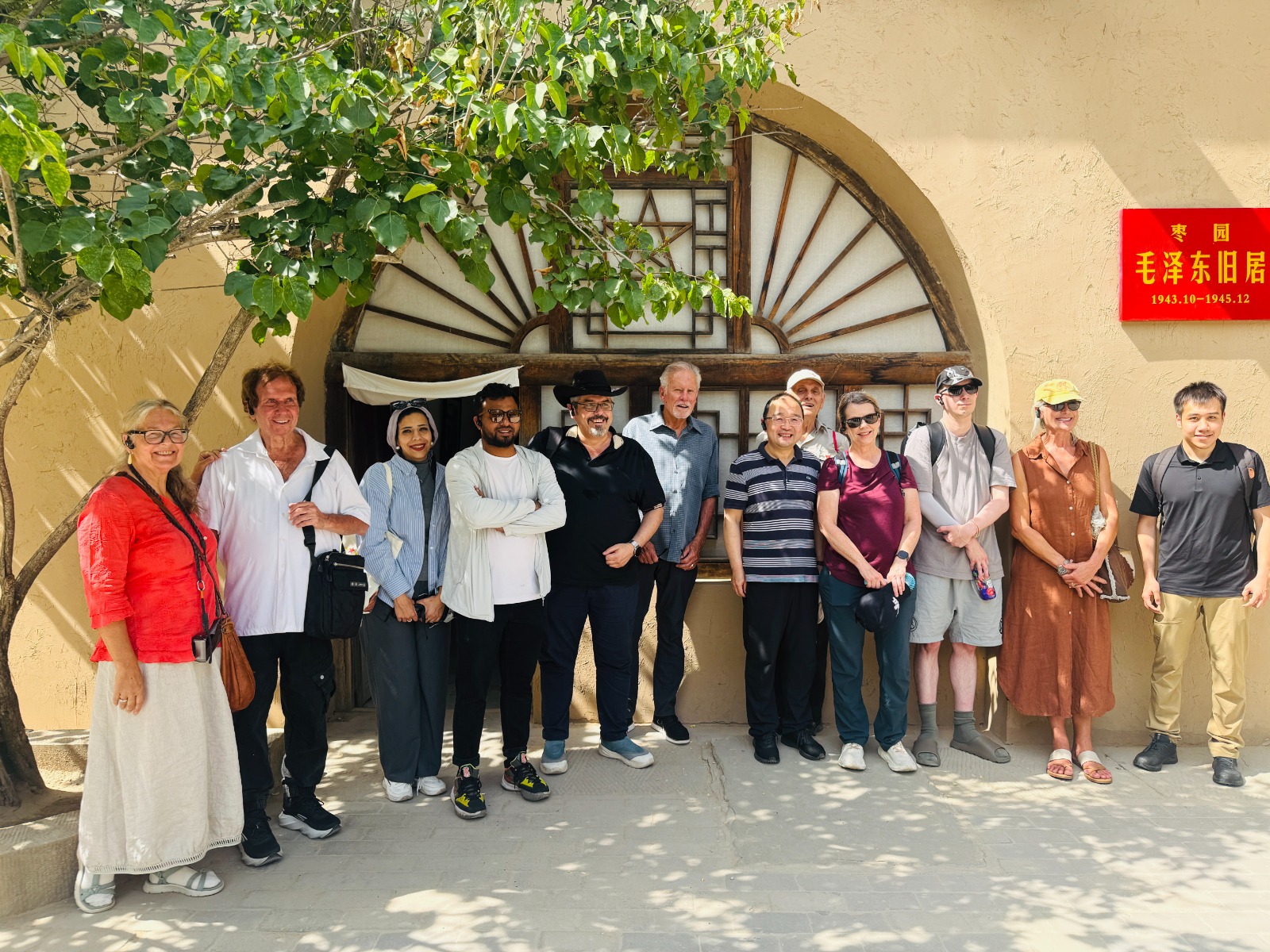
Addressing the seminar, speakers emphasized that Edgar Snow’s commitment to truth, objective journalism and cross-cultural communication continues to inspire journalists, academics and young people worldwide. They noted that his work presented a more authentic picture of China to the international community and helped build a foundation for mutual understanding between China and other countries.
International delegates said retracing Snow’s historic journey allowed them to gain a deeper appreciation of China’s history, culture and development beyond what could be learned through books or media reports. They described the experience as an opportunity to engage directly with historical sites, scholars and local communities.
According to the organizers, the initiative aims to strengthen international exchanges by encouraging firsthand engagement with China’s history, culture and development. By retracing Edgar Snow’s footsteps and promoting dialogue among scholars, journalists and youth from different countries, the program seeks to carry forward the values of truth, friendship and mutual respect that defined Edgar Snow’s legacy.
The event brought together approximately 200 representatives, including members of the Edgar Snow Memorial Foundation, Snow’s family members, experts, scholars and Generation Z youth from China, the United States, the United Kingdom, Bangladesh, Egypt, Armenia and several other countries.

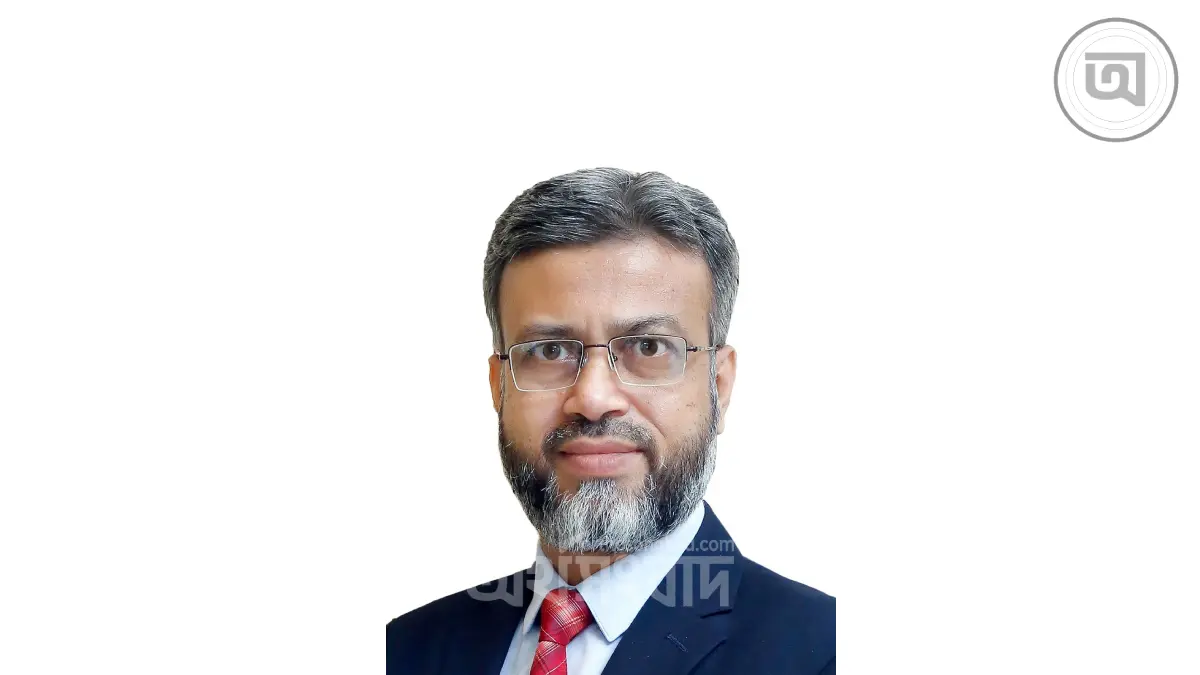
The Rotary Club of Sonargaon Dhaka has elected its new Board of Directors for the Rotary Year 2026–2027. Prominent banker Mohammad Sahin Uddin has been elected as President of the Club.
The newly elected 17-member Board also includes Shahidul Alam as General Secretary and Abu Shaheen as Treasurer. The Board will lead the Club and oversee its activities for the next one year.
Mohammad Sahin Uddin is a distinguished banking professional with extensive experience in the financial sector. He is actively involved in several professional and social organizations and currently serves as an Executive Committee Member of the Bankers’ Club, the Accounting Alumni Association, University of Dhaka, the Bankers’ Welfare Association, and several other organizations.
Expressing his gratitude to the members for their confidence and support, Mohammad Sahin Uddin said that he is committed to upholding Rotary’s motto, “Service Above Self,” by strengthening the Club’s humanitarian initiatives in the areas of education, healthcare, community development, environmental sustainability, and youth empowerment. He emphasized that, with the active cooperation of all members, the Club will continue to make a meaningful and lasting impact on society.
The newly elected Board reaffirmed its commitment to preserving the Club’s proud legacy while expanding its community service initiatives and promoting the ideals and values of Rotary through impactful projects over the coming year.