Corporate
Samsung says Q3 operating profit down 31p on-year


South Korean tech giant Samsung Electronics on Thursday, 27 October said its Q3 operating profits were down 31.39pc year on year after a global economic downturn hit demand for consumer electronics.
Earnings in its crucial memory chips division dropped, the firm said in a statement, adding that “demand for consumer products remained weak”.
Operating profit for July to September 2022 fell to 10 trillion won $7 billion, down from 15.8 trillion won for the same period last year, the firm said.
The results are the first year-on-year decline in profit in nearly three years for Samsung Electronics, the world’s biggest smartphone maker.
But the company said it had seen an increase in sales, which were up by 3.79pc from the same period last year to 76 trillion won.
The world’s biggest memory-chip maker is the flagship subsidiary of the giant Samsung group, by far the largest of the family-controlled empires known as chaebols that dominate business in South Korea, Asia’s fourth-largest economy.
The conglomerate is crucial to the country’s economic health — its overall turnover is equivalent to a fifth of the national gross domestic product.
Until the Q3 of this year, Samsung, along with other tech companies, significantly benefited from strong demand for electronic devices — as well as chips that power them — during the pandemic.
But the global economy is now facing multiple challenges, including increasing inflation, rising interest rates and the growing threat of a broad debt crisis.
The situation has been exacerbated by Russia’s invasion of Ukraine — which has spurred a surge in energy prices and pushed global food prices up — along with China’s adherence to a strict zero-Covid policy.
“In 2023, demand is expected to recover to some extent, but macroeconomic uncertainties are likely to persist,” Samsung Electronics said.
“In the Memory Business, after a dampened first half, demand is expected to rebound centering on servers as data center installations resume,” it added.
Analyst Park Sung-soon of Cape Investment & Securities told the news media he did not expect consumer demand for tech products to recover until the second half of 2023.
“So the focus for Samsung will be adjusting its supply rather than relying on demand recovering anytime soon,” he said.
Samsung also said it had benefited from the strength of the US dollar against the Korean won, “resulting in an approximately 1.0 trillion won company-wide gain in operating profit compared to the previous quarter”.
Parent company Samsung Group announced Thursday that heir and de facto leader Lee Jae-Yong — who received a presidential pardon in August over a fraud conviction — would be promoted to chairman.
The vast majority of the world’s most advanced microchips are made by just two companies — Samsung and Taiwan’s TSMC — both of which are running at full capacity to alleviate a global shortage.
The supply of memory chips has become an issue of global geopolitical significance recently, with leading governments scrambling to secure supplies.
That was demonstrated in May when US President Joe Biden kicked off a South Korea tour by visiting Samsung’s sprawling Pyeongtaek chip plant.
Russia’s invasion of Ukraine has “further spotlighted the need to secure our critical supply chains”, Biden said at the plant, underscoring the importance of bolstering technology partnerships among “close partners who do share our values”.
Samsung employs about 20,000 people in the United States and work is underway to build a new semiconductor plant in Texas, scheduled to open in 2024.
The US also recently introduced new measures to limit China’s access to high-end semiconductors with military uses, a move that has wiped billions from chip companies’ valuations worldwide.

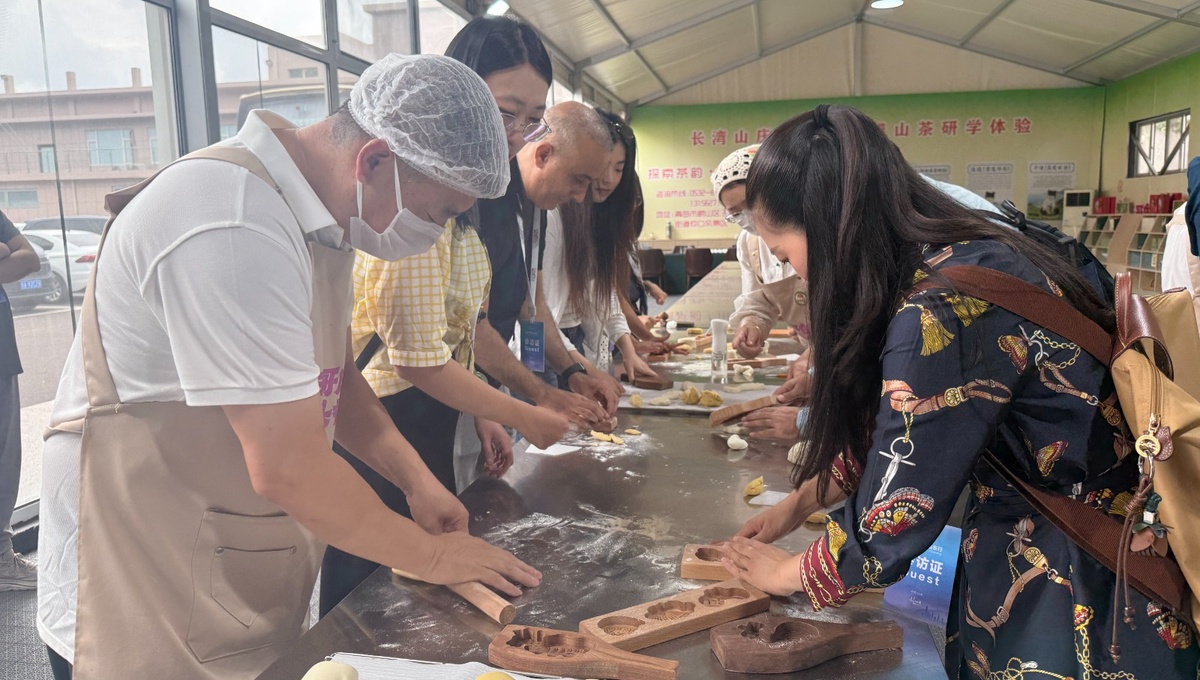
China Correspondent: A five-day foreign media visit to China’s Shandong Province from August 10 to 14 gave international journalists and foreign friends the chance to gain firsthand insights into the province’s technological innovation, cultural heritage, ecological conservation, and high-quality development.
The visit, themed “Opportunities in China, Innovation in Qingdao,” was organized by CRI Online of China Media Group, the Information Office of the Qingdao Municipal People’s Government, and the Information Office of the Dongying Municipal People’s Government.
The delegation visited Qingdao and Dongying, where participants exchanged ideas with local communities, enterprises, cultural institutions, and development projects. Through field visits and discussions, they explored how Shandong balances technological progress, cultural preservation, environmental protection, and improvements in people’s livelihoods.
The program covered a broad range of topics, including artificial intelligence, intelligent manufacturing, biotechnology, healthcare, marine industries, rural revitalization, cultural heritage, urban renewal, and ecological conservation.
In Qingdao, the delegation gained an understanding of the city’s growing innovation capacity and saw how advanced technologies are being applied in manufacturing and other areas of daily life. Participants also explored how traditional culture integrates with modern tourism and experienced the city’s distinctive coastal culture.
The visit also highlighted efforts to promote rural revitalization and develop cultural tourism and wellness-related industries. Through interactions and cultural experiences, participants observed how traditional food and tea culture, historic neighborhoods, and local heritage are being preserved while being integrated into contemporary economic and social development.
In Dongying, the delegation explored the relationship between the Yellow River, local culture, industrial development, and ecological conservation. Located at the mouth of the Yellow River, Dongying offered an important perspective on protecting and sustainably using the river’s ecological and cultural resources.
The Yellow River was a central theme of the Dongying visit. Participants learned about the river’s historical and cultural significance and observed efforts to protect the Yellow River Delta ecosystem. They also gained insights into the city’s industrial development and its efforts to pursue technological innovation and greener growth.
The delegation further observed how ecological challenges can be transformed into opportunities for sustainable development, including through the innovative utilization of saline-alkaline land and the protection of wetlands in the Yellow River Delta.
The delegation included representatives from overseas media organizations in Bangladesh, Canada, South Korea, and Pakistan, as well as international friends from Sri Lanka, Thailand, and other countries.
Corporate
International Seminar at Peking University Explores the Contemporary Relevance of Edgar Snow’s Legacy

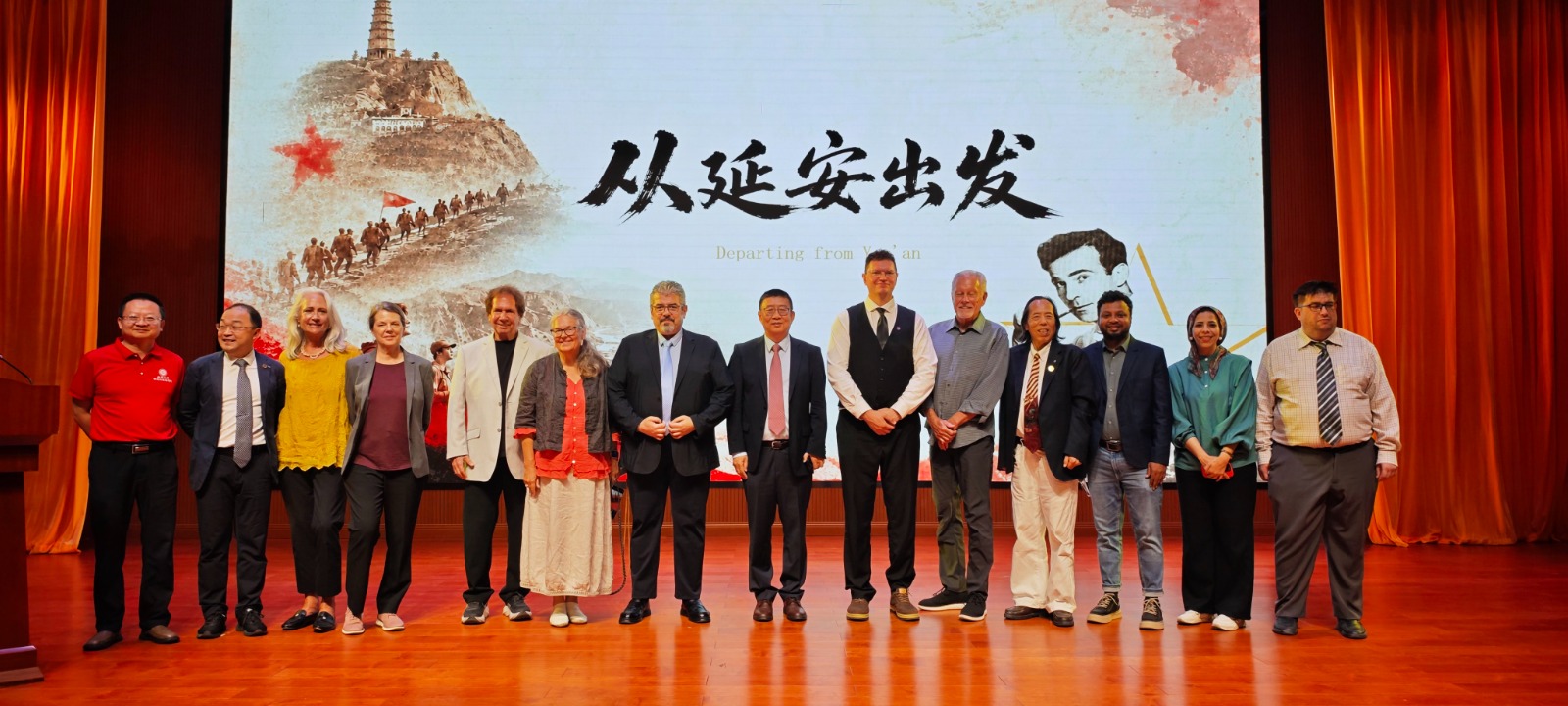
An international seminar titled “The Contemporary Value of Edgar Snow’s Spirit” was held at Peking University on Tuesday (July 8), bringing together scholars, journalists, researchers and young representatives from around the world to examine the enduring legacy of renowned American journalist Edgar Snow and his role in fostering greater understanding between China and the international community.
Jointly hosted by Xinhua News Agency and Peking University, and organized by the Xinhua Institute, the seminar marked the conclusion of a six-day research and study tour conducted from July 2 to 7, retracing Snow’s historic journey through Shaanxi Province and the Ningxia Hui Autonomous Region.
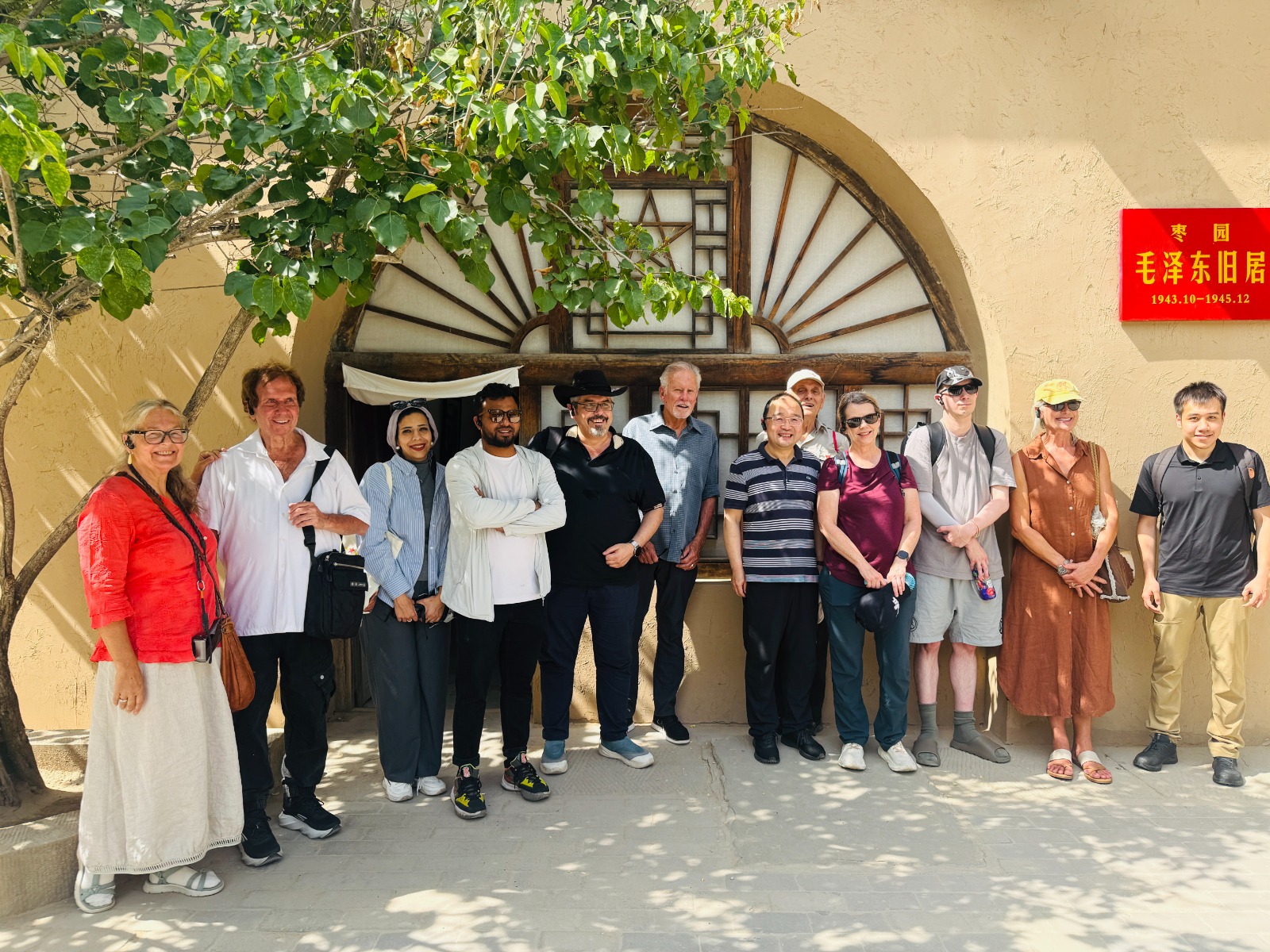
During the field program, participants followed the route taken by Edgar Snow during his landmark reporting in northern Shaanxi, gaining firsthand insight into the locations that inspired his influential book, Red Star Over China. Organizers said the journey offered international delegates a deeper understanding of China’s revolutionary history, development path and the values that continue to shape the country’s modernization.
The delegation visited several key revolutionary sites, including Yan’an and Zhidan County, where they toured museums, memorial halls and former headquarters associated with the Chinese Red Army. They also explored the former site of the Counter-Japanese Military and Political University, the Bao’an Revolution Site Memorial Museum, and memorials commemorating the Red Army’s arrival in northern Shaanxi. Guided tours and historical exhibitions highlighted the hardships, determination and ideals of China’s revolutionary period.
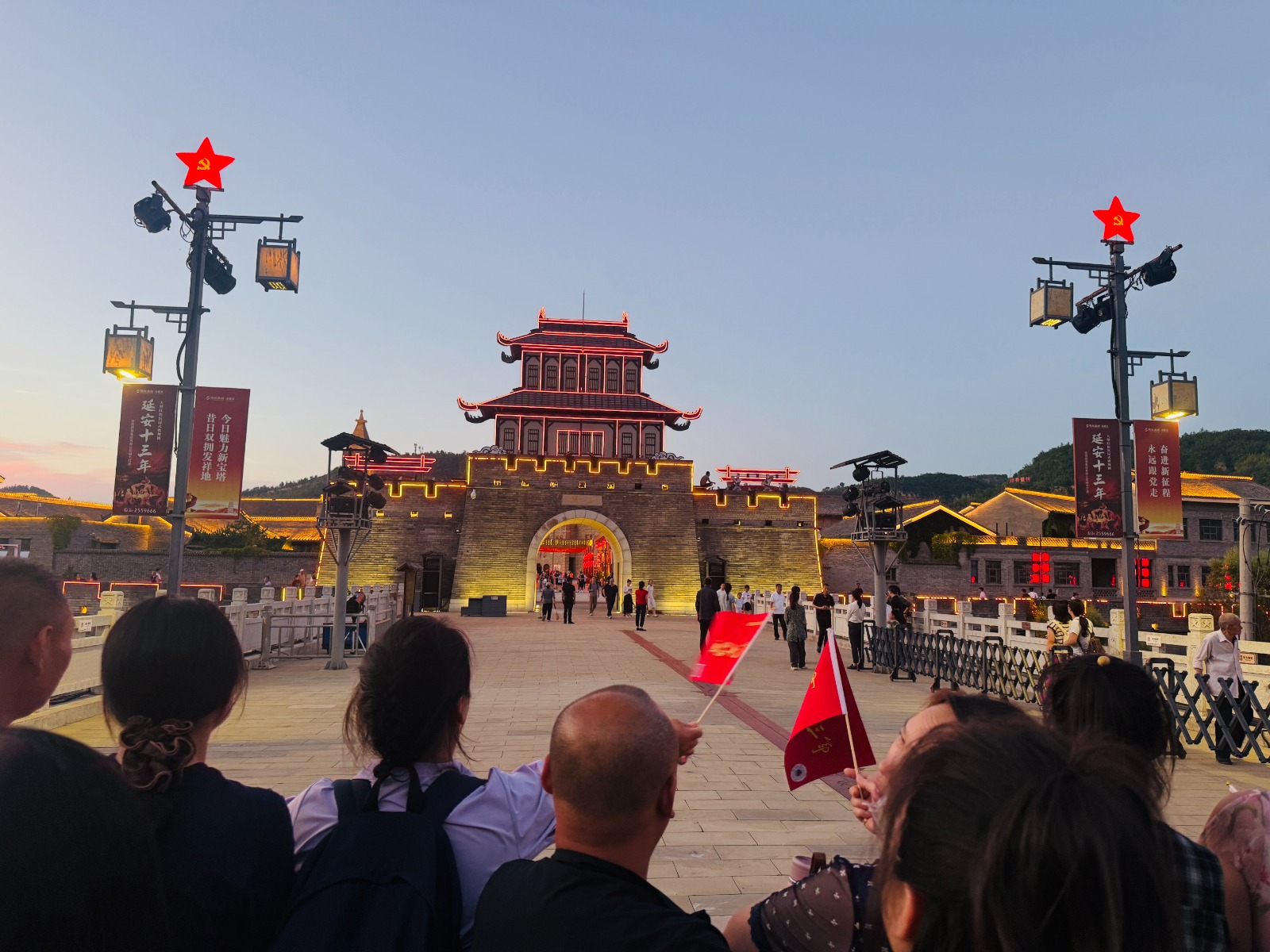
As part of the program, participants attended the themed sharing session “Retracing Snow’s Route,” where scholars and guests discussed the lasting influence of Edgar Snow’s reporting on global perceptions of China. Delegates also watched the immersive theatrical production “Thirteen Years in Yan’an,” which vividly portrayed the revolutionary era through contemporary storytelling.
The itinerary extended beyond revolutionary history to showcase China’s progress in ecological conservation and sustainable development. In Zhongwei and other locations in Ningxia, participants learned about environmental protection initiatives along the Yellow River, the achievements of the Three-North Shelter Forest Program, and China’s efforts to balance ecological preservation with economic growth. Organizers noted that these visits demonstrated how former revolutionary regions have evolved into examples of green development and rural revitalization.
The delegation also traveled to Tongxin County, visiting the Red Army Westward Expedition Memorial Hall and other significant historical sites. Participants joined the Red Tongxin Forum, where they exchanged views with scholars and local representatives on the historical significance of the Long March, Edgar Snow’s reporting and the importance of preserving revolutionary heritage for future generations.
Addressing the seminar, speakers emphasized that Edgar Snow’s commitment to truth, objective journalism and cross-cultural communication continues to inspire journalists, academics and young people worldwide. They noted that his work presented a more authentic picture of China to the international community and helped build a foundation for mutual understanding between China and other countries.
International delegates said retracing Snow’s historic journey allowed them to gain a deeper appreciation of China’s history, culture and development beyond what could be learned through books or media reports. They described the experience as an opportunity to engage directly with historical sites, scholars and local communities.
According to the organizers, the initiative aims to strengthen international exchanges by encouraging firsthand engagement with China’s history, culture and development. By retracing Edgar Snow’s footsteps and promoting dialogue among scholars, journalists and youth from different countries, the program seeks to carry forward the values of truth, friendship and mutual respect that defined Edgar Snow’s legacy.
The event brought together approximately 200 representatives, including members of the Edgar Snow Memorial Foundation, Snow’s family members, experts, scholars and Generation Z youth from China, the United States, the United Kingdom, Bangladesh, Egypt, Armenia and several other countries.

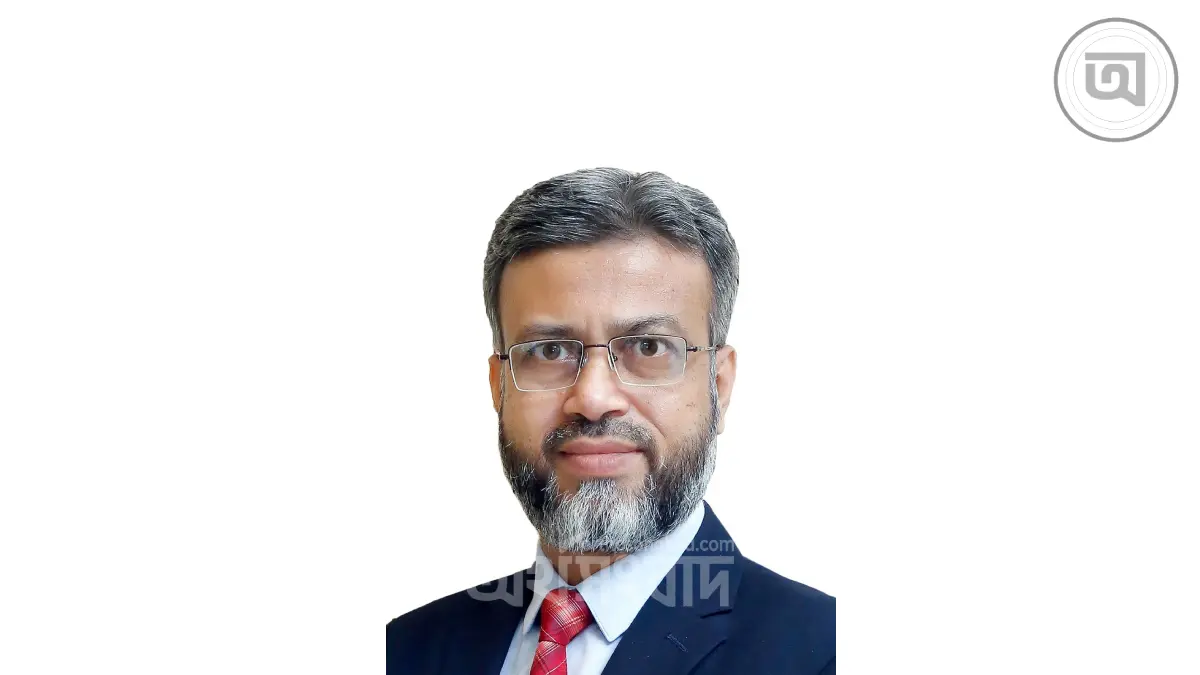
The Rotary Club of Sonargaon Dhaka has elected its new Board of Directors for the Rotary Year 2026–2027. Prominent banker Mohammad Sahin Uddin has been elected as President of the Club.
The newly elected 17-member Board also includes Shahidul Alam as General Secretary and Abu Shaheen as Treasurer. The Board will lead the Club and oversee its activities for the next one year.
Mohammad Sahin Uddin is a distinguished banking professional with extensive experience in the financial sector. He is actively involved in several professional and social organizations and currently serves as an Executive Committee Member of the Bankers’ Club, the Accounting Alumni Association, University of Dhaka, the Bankers’ Welfare Association, and several other organizations.
Expressing his gratitude to the members for their confidence and support, Mohammad Sahin Uddin said that he is committed to upholding Rotary’s motto, “Service Above Self,” by strengthening the Club’s humanitarian initiatives in the areas of education, healthcare, community development, environmental sustainability, and youth empowerment. He emphasized that, with the active cooperation of all members, the Club will continue to make a meaningful and lasting impact on society.
The newly elected Board reaffirmed its commitment to preserving the Club’s proud legacy while expanding its community service initiatives and promoting the ideals and values of Rotary through impactful projects over the coming year.


You must be logged in to post a comment Login